
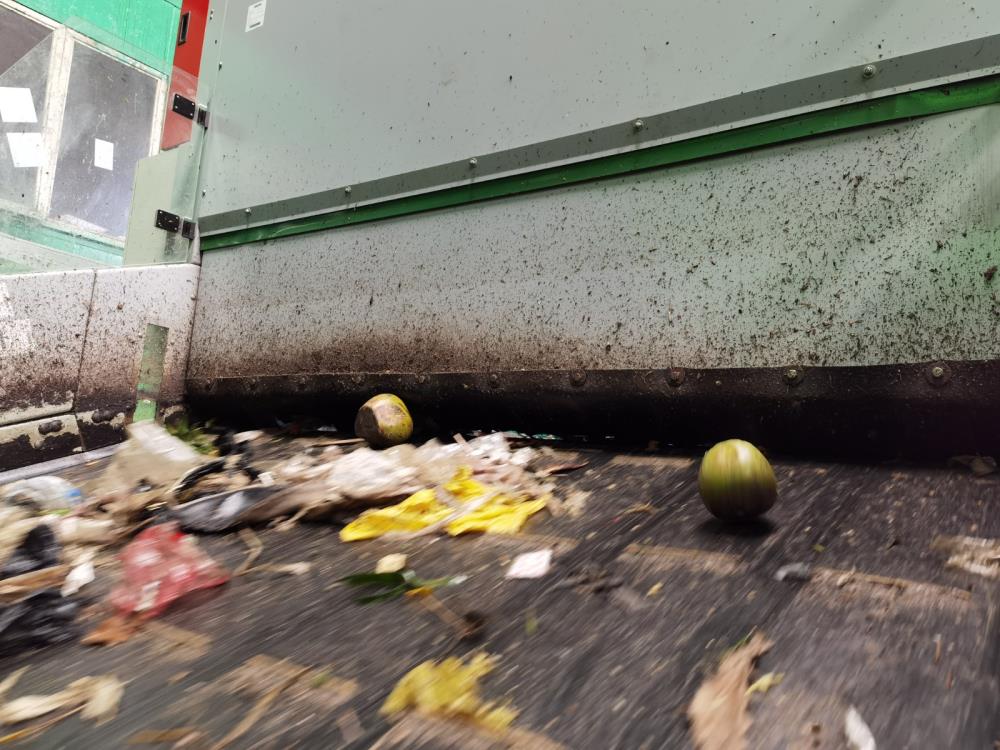
Waste management is a critical challenge in modern society, with significant environmental and economic implications. Effective recycling and separation of waste materials, particularly plastics and metals, are essential for reducing landfill use and promoting sustainable resource use. However, manual sorting processes are labor-intensive and prone to inefficiencies, underscoring the need for automated solutions.
AI-based waste sorting methods have shown significant promise in improving the efficiency and accuracy of waste management processes. However, despite the encouraging results, several challenges remain in achieving optimal waste classification, particularly when dealing with waste materials that have complex compositions or exhibit substantial variability in real-world conditions.
One of the primary challenges faced by AI-driven sorting systems is the accurate classification of waste materials that are difficult to distinguish due to their intricate and mixed compositions. For instance, packaging materials that combine plastic and paper or metals with coatings may confuse even advanced models. In such cases, traditional machine learning algorithms may struggle to differentiate between these composite materials, leading to misclassifications. The presence of mixed waste streams, contamination, and varying material properties further complicates the sorting process. While AI models can be trained to recognize specific materials, handling these edge cases where materials do not fit cleanly into defined categories remains a significant hurdle.
Moreover, variations in real-world conditions, such as differences in lighting, waste size, shape, and the presence of foreign objects or contaminants, can affect the performance of AI sorting systems. For example, waste can often be irregularly shaped or highly compacted, making it difficult for machine learning models to correctly identify material types based solely on predefined physical characteristics like weight, size, or shape. Additionally, changes in environmental factors—such as lighting conditions, waste density, and cluttered sorting environments—can also negatively impact the effectiveness of the system, particularly if the models have not been adequately trained on diverse datasets that reflect such variability. As a result, the sorting process may become less accurate, leading to increased contamination and inefficiencies in the recycling process.
